Home / Biography / Abandoning a Cat
Biography
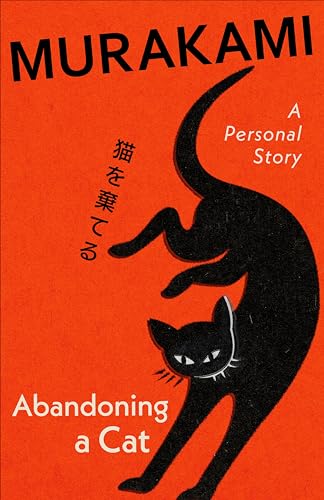
In Abandoning a Cat, Haruki Murakami reflects on his complicated relationship with his father, exploring family memories, estrangement, reconciliation, and the lasting effects of history. Blending per
Free forever. No account needed — your reading progress is saved in this browser.
What do we inherit from our parents beyond their names and memories? In Abandoning a Cat, Haruki Murakami explores this question through a deeply personal reflection on his father, family history, and the experiences that connect individual lives to larger historical events. Known internationally for his distinctive fiction, Murakami takes a more autobiographical approach in this short work. He recalls his father’s life, including his experiences during the Second World War, his literary interests, and his later career as a teacher. Through these memories, Murakami examines a relationship marked by distance and misunderstanding, followed by a final opportunity for reconciliation. The book also considers how the past influences the present. Murakami looks beyond his own family to reflect on the consequences of war and the ways historical events continue to shape personal identities across generations. The story of a cat provides an additional point of reflection, connecting an apparently ordinary memory with the book’s broader concerns about responsibility, loss, and abandonment. Rather than presenting a comprehensive autobiography, Murakami offers a focused meditation on fatherhood, sonhood, memory, and the difficulty of understanding another person. His reflections invite readers to consider how much of a parent's life remains unknown to their children, even when they share years of family experience. Translated into English by Philip Gabriel, Abandoning a Cat is suited to readers who appreciate literary memoirs, personal essays, Japanese literature, and reflective writing about family relationships. It will also interest existing Murakami readers who want to explore the author's nonfiction and gain another perspective on the historical and personal themes that inform his work. Concise yet contemplative, this book offers an opportunity to consider the complicated ties between private memory, family inheritance, and the wider world.


 Real Novels