Home / Philosophy / Going Digital: The Transformation of the ABC
Philosophy
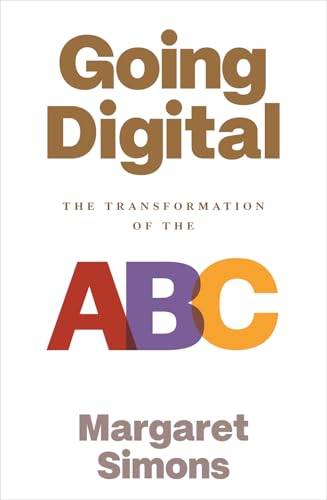
Going Digital: The Transformation of the ABC by Margaret Simons examines how Australia's national public broadcaster adapted to a rapidly changing media landscape. Drawing on interviews and extensive
Free forever. No account needed — your reading progress is saved in this browser.
How does a traditional public broadcaster remain relevant in a world transformed by smartphones, streaming, podcasts, and digital media? In Going Digital: The Transformation of the ABC, journalist and author Margaret Simons investigates the remarkable changes that reshaped Australia's national broadcaster. The book examines the ABC's transition from an organization primarily associated with traditional television and radio into a modern media institution offering continuous news coverage, digital entertainment, children's programming, podcasts, and on-demand services. Through candid interviews and detailed journalistic investigation, Simons explores the people, leadership decisions, institutional debates, and political controversies behind this transformation. The narrative considers influential figures, including former ABC managing director Mark Scott, alongside the wider developments that changed how the broadcaster creates, distributes, and presents its content. Beyond technological progress, the book raises important questions about the responsibilities of public broadcasting. Has the expansion of digital platforms affected the depth and quality of journalism? How should public institutions respond to political pressure? What happens to local reporting and international coverage when media organizations face changing audience expectations and financial constraints? Readers gain insight into the relationship between technology, journalism, public accountability, and institutional independence. The book also encourages reflection on how digital transformation can create new opportunities while introducing difficult editorial and organizational challenges. Going Digital is particularly suitable for readers interested in Australian media history, journalism, communications, public broadcasting, digital innovation, and contemporary political culture. It will also appeal to media professionals, researchers, students, and anyone curious about the future of independent public-service journalism.

 Real Novels