Home / Philosophy / Long Wave: A Novel
Philosophy
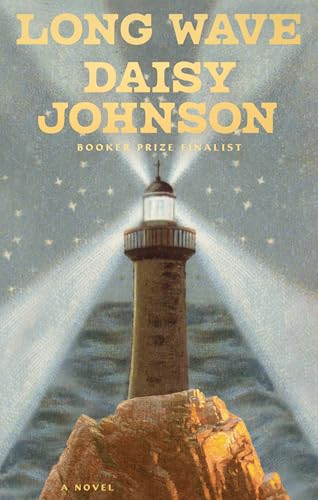
Daisy Johnson’s Long Wave: A Novel is a haunting literary story about motherhood, memory, and the bonds connecting generations. When Ori, a young woman found alone on a remote island as a child, becom
Free forever. No account needed — your reading progress is saved in this browser.
What does it mean to become a mother when your own childhood is marked by absence and unanswered questions? In Long Wave: A Novel, Daisy Johnson explores this question through an atmospheric story of family, memory, and the complicated inheritance passed between generations. As a toddler, Ori was discovered alone on a remote island, carrying only a handful of stones and no clear memory of her mother. Years later, after having a child of her own, she struggles with the demands of motherhood. Exhaustion and uncertainty begin to unsettle her sense of reality, drawing her back toward the island and the mystery of the woman who left her there. Ori’s story connects with the lives of the women who came before her. As a child, Ruth witnessed a disturbing event involving a woman and her baby disappearing into a river. Ruth’s own relationship with her mother, Edith, becomes shaped by secrecy, control, and the social pressures surrounding pregnancy and family reputation. Their experiences gradually reveal a wider story of separation, longing, and survival. Moving between different lives and periods, the novel examines the emotional complexities of caregiving, the consequences of family silence, and the ways childhood experiences can shape adult identity. Its coastal English setting adds an unsettling, almost mythic atmosphere to a narrative grounded in intimate human relationships. Readers can expect lyrical literary fiction, psychological tension, an unfolding family mystery, and nuanced portrayals of motherhood and generational connection. Rather than offering simple answers, Johnson invites readers to consider how people understand their histories and whether confronting the past can change the future. This novel is suited to readers who enjoy literary and psychological fiction, multigenerational family stories, atmospheric settings, and character-driven narratives exploring identity, loss, and belonging.


 Real Novels