Home / History / Racist by Design: Two Centuries of U.S. Immigration Control
History
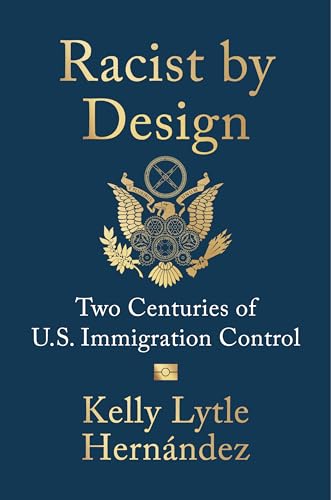
Racist by Design: Two Centuries of U.S. Immigration Control examines how race and white supremacy shaped immigration policy in the United States. Kelly Lytle Hernández traces exclusionary laws and enf
Free forever. No account needed — your reading progress is saved in this browser.
How did race influence the development of immigration control in the United States? In Racist by Design: Two Centuries of U.S. Immigration Control, historian Kelly Lytle Hernández investigates the historical decisions, laws, and enforcement systems that shaped who could enter, remain in, and belong to the country. The book traces this history back to the aftermath of the Haitian Revolution in the 1790s, when fears surrounding a free Black republic influenced early efforts to restrict Black migration. Hernández then examines Chinese exclusion and the legal precedents that expanded the government's authority over immigration. She also explores how eugenics, segregationist ideas, and racial hierarchies influenced immigration restrictions during the twentieth century. Rather than treating immigration policy as a collection of isolated laws, Hernández examines how political institutions, legal decisions, and enforcement practices developed over time. The book considers the relationship between racial exclusion and the demand for migrant labor, as well as the consequences for communities targeted by immigration restrictions. It also discusses how migrants and their allies challenged discriminatory systems and pushed for change. Readers can expect a historically grounded examination of immigration policy, racial discrimination, citizenship, labor, and government power. The book provides context for understanding contemporary debates about borders, deportation, immigration enforcement, and equal rights, while encouraging readers to examine the historical foundations of current institutions. This work is suitable for readers of U.S. history, immigration studies, political science, sociology, race and ethnic studies, and civil rights history. It may also be useful to university students, educators, researchers, and general readers seeking a deeper understanding of the relationship between race and American immigration policy.


 Real Novels