Home / Fiction / Reintroducing Vilfredo Pareto
Fiction
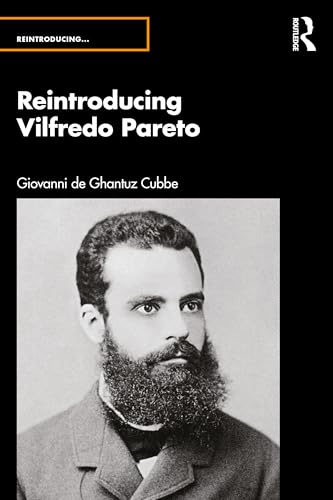
Reintroducing Vilfredo Pareto by Giovanni de Ghantuz Cubbe examines the influential ideas of Italian sociologist and economist Vilfredo Pareto. The book explores his perspectives on elites, ideology,
Free forever. No account needed — your reading progress is saved in this browser.
How can the ideas of a major classical thinker help explain today's political and social challenges? In Reintroducing Vilfredo Pareto, Giovanni de Ghantuz Cubbe revisits the intellectual contributions of Vilfredo Pareto and examines their significance for contemporary social and political inquiry. Rather than presenting Pareto's work as a conventional historical introduction, the book takes a critical approach to his theories and their interpretations. It explores the connections between his sociological, economic, and political ideas, highlighting the complexity of his thinking and its importance across different academic disciplines. The discussion addresses several central themes, including the relationship between society and politics, derivations and ideologies, social equilibrium, political dynamism, and the influence of elites. It also considers the relationship between the few and the many, examining questions about power, leadership, and social organization. Readers are introduced to debates surrounding Pareto's intellectual legacy, including the relationship between sociology and economics and the continuing relevance and limitations of his theories. The book encourages readers to reconsider established interpretations rather than simply accepting traditional accounts of his work. Written for an academic audience, Reintroducing Vilfredo Pareto is particularly suitable for university students, researchers, and readers interested in political sociology, political theory, classical social thought, and the history of political ideas. By connecting historical scholarship with contemporary debates, Giovanni de Ghantuz Cubbe provides a framework for understanding why Pareto remains an important figure in discussions about democracy, ideology, elites, and modern political life.




 Real Novels