Home / Save Yourself: A New Approach to Thinking about Money and Taking Control of Your Financial Future
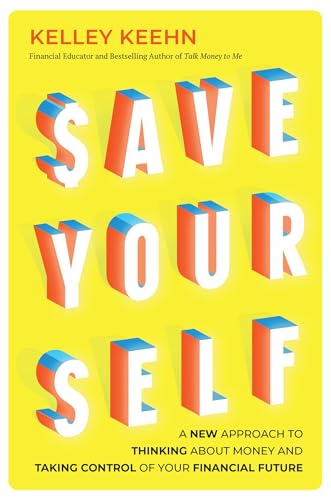
Kelley Keehn’s Save Yourself explores how emotions, habits, and beliefs influence financial decisions. Combining insights from behavioural science with practical personal finance strategies, the book
Free forever. No account needed — your reading progress is saved in this browser.
Taking control of your finances involves more than creating a budget or learning how to invest. The beliefs, emotions, and habits that shape everyday decisions can influence financial security just as strongly as the numbers themselves. In Save Yourself: A New Approach to Thinking about Money and Taking Control of Your Financial Future, personal finance educator Kelley Keehn examines these influences and offers readers a different way to approach money. The book explores the psychology behind financial behaviour, including the patterns and assumptions that can make it difficult to save, spend thoughtfully, or plan confidently. Drawing on neuroscience and behavioural science, Keehn encourages readers to recognise how their personal experiences and learned beliefs affect their choices. Rather than treating financial planning as a one-size-fits-all exercise, the book considers the pressures people face in today's economic environment. Rising housing costs, uncertain employment, caregiving responsibilities, side income, and changing family circumstances can all affect financial decisions. These realities call for practical approaches that reflect individual needs rather than outdated expectations about how people should build wealth. Readers can expect guidance on developing healthier money habits, challenging common financial myths, strengthening financial confidence, and thinking more carefully about protecting their families and future. The book also addresses the importance of resilience when circumstances change and financial plans need to be reconsidered. Save Yourself is suitable for readers at different stages of their financial lives, including young adults managing debt, professionals balancing competing responsibilities, families planning for the future, and people looking to rebuild their financial confidence after setbacks. It may also appeal to readers interested in the connection between psychology and personal finance. This is an educational personal finance guide, not a promise of financial results. Its central emphasis is on understanding your own money decisions and developing a more deliberate approach to long-term financial wellbeing.
 Real Novels