Home / Fiction / The Book Was Better: The Triumphs and Travesties of Book to Film Adaptation
Fiction
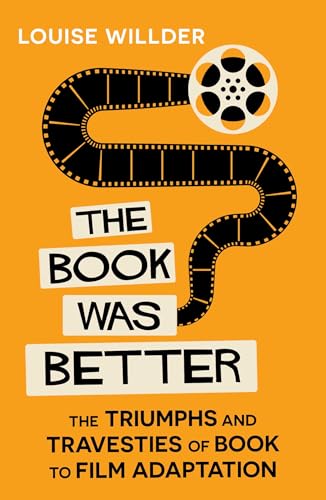
The Book Was Better explores the fascinating relationship between literature and cinema, examining why some film adaptations disappoint readers while others surpass their original books. With wit, cri
Free forever. No account needed — your reading progress is saved in this browser.
Is the book always better than the film? In The Book Was Better: The Triumphs and Travesties of Book to Film Adaptation, Louise Willder takes readers on an entertaining exploration of one of the most debated relationships in popular culture: the transformation of literary works into movies. Drawing on her extensive experience in the publishing industry and her knowledge of literature and cinema, Willder examines what happens when filmmakers reinterpret familiar stories for the screen. Some adaptations disappoint devoted readers by removing important details, changing characters, or losing the atmosphere that made the original work memorable. Others, however, demonstrate that cinema can bring a story to life in unexpected and sometimes even more compelling ways. Through examples from well-known literary works and their screen adaptations, the author considers why certain adaptations succeed, why others struggle, and how creative decisions influence the audience's experience. The discussion includes films such as Jaws, The Godfather, and Sense and Sensibility, offering readers plenty of opportunities to reconsider familiar books and movies. The book also explores the commercial appeal of adapting established literary properties, the difficulties of translating written narratives into visual storytelling, and the enduring popularity of retelling familiar stories across generations. Written in an accessible and engaging style, this nonfiction work combines literary discussion, film criticism, cultural observation, and humor. It is particularly suitable for book lovers, cinema enthusiasts, readers interested in publishing, aspiring writers, film students, and anyone curious about the creative process behind screen adaptations. Whether readers passionately defend original novels or appreciate inventive cinematic interpretations, this book offers an enjoyable perspective on the ongoing conversation between books and films.
 Real Novels