Home / Fiction / Adder Stone
Fiction
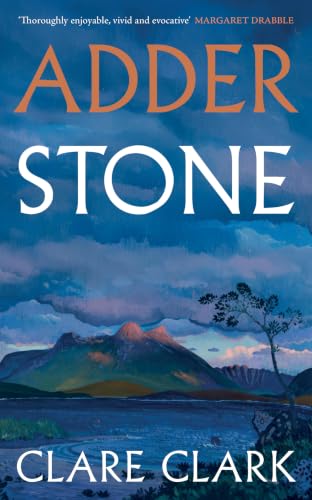
Set in 1963 North Wales, Adder Stone follows a family forced from their ancestral home when their valley is flooded to create a reservoir for Liverpool. As its members respond differently to displacem
Free forever. No account needed — your reading progress is saved in this browser.
What happens when the place that has shaped your family's identity is taken away forever? In Adder Stone, Clare Clark explores the emotional and political consequences of displacement through the story of a Welsh family caught in a dramatic moment of historical change. Set in 1963, the novel follows the Jones family as they are forced to leave the land their family has farmed for generations. Their North Welsh valley is destined to disappear beneath the water of a new reservoir built to supply Liverpool. The approaching destruction divides the family in unexpected ways. Dai Jones struggles with the loss of his home and everything it represents. His wife, Olwen, privately sees the upheaval as an opportunity to escape the limitations of their familiar surroundings and begin a different life. Their teenage son, Emyr, interprets the decision as another example of English political domination over Wales. His growing anger leads him to question whether his country can ever determine its own future without greater resistance. Through these contrasting perspectives, Clark examines the complicated relationship between personal freedom and collective identity. The story explores the meaning of home, the weight of historical injustice, family responsibility, nationalism, love, and the difficult process of forgiveness. Inspired by real historical events, the novel offers readers an emotionally layered portrait of a community confronting irreversible change. Its focus on family relationships and cultural belonging makes it particularly suitable for readers of literary and historical fiction, Welsh history, and thoughtful family dramas. Adder Stone is a compelling exploration of what people are willing to sacrifice to protect their families, their heritage, and the places they call home.






 Real Novels