Home / Gothic & Horror / Analytics Engineering with Microsoft Fabric and Power BI: The Definitive Guide for Building Enterprise-Grade Analytics Solutions
Gothic & Horror
Analytics Engineering with Microsoft Fabric and Power BI is a practical technical guide to designing and managing enterprise-grade analytics solutions. Shabnam Watson and Nikola Ilic explain how to us
Free forever. No account needed — your reading progress is saved in this browser.
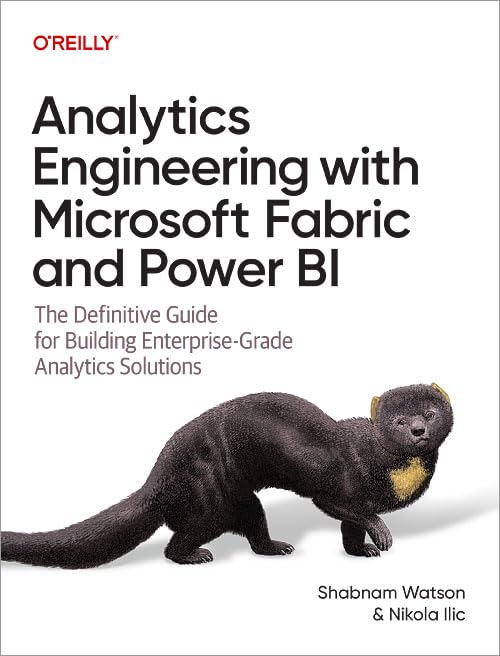
Build modern, scalable business intelligence solutions with Analytics Engineering with Microsoft Fabric and Power BI: The Definitive Guide for Building Enterprise-Grade Analytics Solutions by Shabnam Watson and Nikola Ilic. This professional guide explores the tools, architectural approaches, and development practices needed to create effective analytics environments using Microsoft's integrated data platform. The book introduces the role of the analytics engineer and explains how analytics engineering connects data engineering, business intelligence, and analytical development. Readers explore Microsoft Fabric's core capabilities, including lakehouses, warehouses, eventhouses, and semantic models, while learning how these components work together within an enterprise analytics environment. A major focus is the development and management of Power BI semantic models. The authors cover techniques for structuring data, selecting appropriate architectural patterns, managing analytical assets, and optimizing solutions for performance and maintainability. The book also examines the analytics development lifecycle, helping readers understand how to build, organize, share, and improve analytics solutions across an organization. Rather than focusing exclusively on individual reports or dashboards, this guide addresses the broader engineering practices behind dependable enterprise analytics. Readers can develop a clearer understanding of how to select appropriate Fabric components, implement effective design patterns, and fine-tune existing solutions. This book is particularly suitable for analytics engineers, Power BI developers, data engineers, business intelligence professionals, data architects, and IT specialists. It is also a useful technical resource for professionals transitioning from traditional Power BI environments toward Microsoft Fabric-based analytics architectures. Whether designing a new analytics platform or improving an existing business intelligence system, readers will find practical guidance for developing organized, efficient, and scalable data solutions.






 Real Novels