Home / History / Born to Be Wild: Reckoning with the Zoo in the Age of Extinction
History
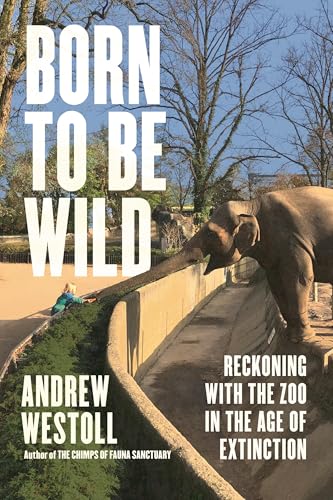
Born to Be Wild by Andrew Westoll explores the ethical challenges facing modern zoos in an age of extinction. Through wildlife encounters, investigative reporting, and reflections on animal welfare, t
Free forever. No account needed — your reading progress is saved in this browser.
What does it mean to protect wild animals when many of them are living in captivity? In Born to Be Wild: Reckoning with the Zoo in the Age of Extinction, Andrew Westoll investigates one of the most complicated questions in modern wildlife conservation. Drawing on extensive research and visits to internationally recognized zoological parks, Westoll explores the changing role of zoos in a world experiencing biodiversity loss and environmental disruption. He introduces readers to remarkable animals and the people responsible for their care, revealing the challenges involved in balancing animal welfare, public education, conservation, and human curiosity. The book examines the ethical questions surrounding captivity and asks whether modern zoos genuinely serve the interests of the animals they are intended to protect. It considers familiar wildlife controversies, conservation efforts, and the responsibilities humans have toward species facing increasing environmental threats. Readers can expect an engaging combination of narrative nonfiction, investigative journalism, wildlife encounters, and environmental reflection. Rather than presenting an overly simple argument for or against zoos, Westoll encourages readers to examine their assumptions and consider the practical and moral consequences of keeping wild animals in controlled environments. Born to Be Wild is particularly suitable for readers interested in wildlife conservation, animal rights, environmental science, zoology, and the relationship between humans and nature. It will also appeal to readers who enjoy thoughtful nonfiction that combines research with real-world stories. By connecting individual animal experiences with broader environmental challenges, Andrew Westoll offers an opportunity to reconsider what protecting wildlife should mean in an age of extinction.

 Real Novels