Home / Philosophy / Japan as an Adapter Middle Power: Navigating Ideological and Systemic Divides
Philosophy
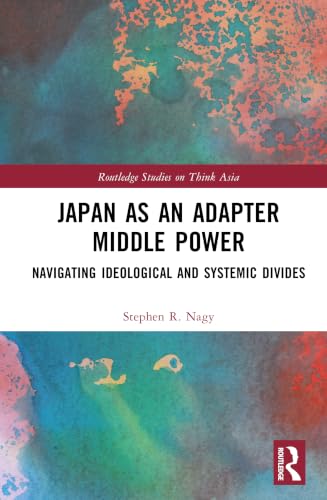
Japan as an Adapter Middle Power examines how Japan uses diplomacy, strategic partnerships, and international cooperation to bridge ideological and systemic differences. Stephen R. Nagy explores Japan
Free forever. No account needed — your reading progress is saved in this browser.
How can a country strengthen international cooperation when major powers are divided by competing political systems, strategic interests, and ideological differences? In Japan as an Adapter Middle Power, Stephen R. Nagy examines Japan's evolving position in international affairs and introduces the concept of an adapter middle power. The book explores how Japan uses diplomatic engagement, strategic relationships, and practical cooperation to connect countries and institutions that might otherwise struggle to work together. Rather than viewing Japanese foreign policy primarily through the traditional perspectives of military expansion or historical revisionism, Nagy presents a different interpretation of Japan's international influence. Drawing on more than three decades of fieldwork, interviews, and case studies, the author investigates Japan's role across several important policy areas, including international security, trade, technology, development, and diplomacy. These discussions place Japan's foreign policy within the wider context of changing regional and global relationships. A central theme is diplomatic entrepreneurship: the ability to identify opportunities for cooperation, manage competing interests, and develop practical partnerships across political and institutional boundaries. The book also considers how Japan contributes to a rules-based international order while adapting to the changing strategic environment of the Indo-Pacific. Written for readers interested in international relations, Asian studies, and contemporary foreign policy, this scholarly work offers a framework for understanding middle-power diplomacy beyond conventional measures of military and economic strength. It is particularly relevant to students, researchers, policymakers, and readers seeking deeper insight into Japan's international role and the future of regional cooperation.




 Real Novels